
The Culinary Landscape of 2026: Emerging Food Trends
The culinary world is experiencing a significant shift as we move through 2026. According to insights from MICHELIN Guide Inspectors who traverse the globe's finest dining establishments, several powerful food trends are reshaping how chefs cook, present, and serve their creations. These emerging food trends reflect a deeper movement toward authenticity, tradition, and elevated dining experiences that engage all the senses.
Preserved and Fermented Flavors Lead the Way
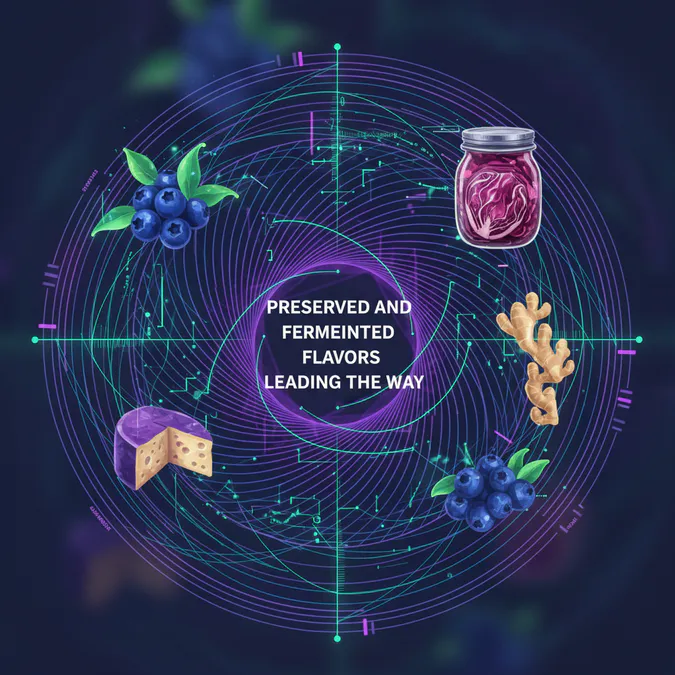
One of the most prominent food trends gaining momentum in 2026 is the renewed focus on preserved and fermented flavors. Chefs are increasingly turning to time-honored preservation techniques that have been used for centuries across various cultures. Fermentation, in particular, has moved from a niche culinary practice to a mainstream approach in fine dining establishments.
This t
Beyond the flavor profile, fermented foods align with growing consumer interest in gut health and sustainable eating practices. This convergence of taste, nutrition, and sustainability makes fermented ingredients a natural fit for the modern fine dining landscape.
Cooking Over Fire Returns to Center Stage
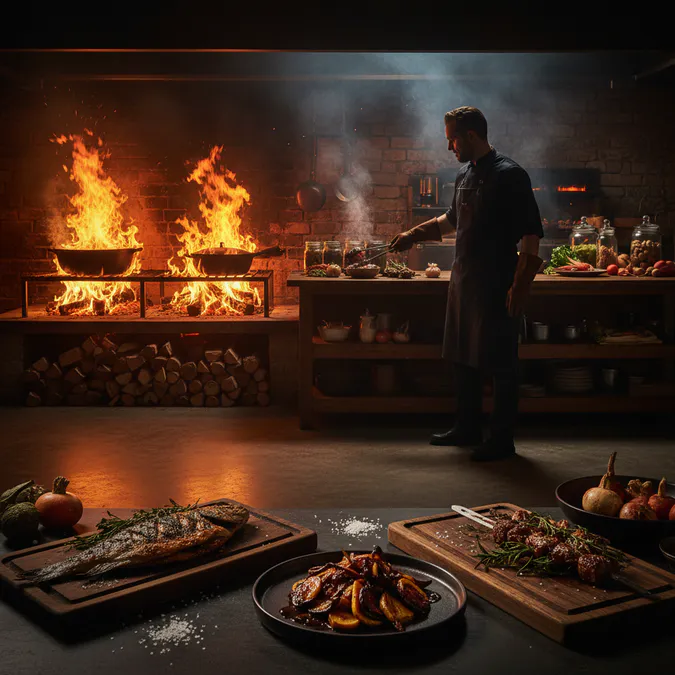
Another significant food trend reshaping 2026 dining is the resurgence of open-flame cooking techniques. Chefs are increasingly incorporating wood-fired ovens, charcoal grills, and live-fire cooking stations into their kitchens and dining rooms. This movement represents a return to primal cooking methods that create distinctive flavors impossible to achieve through conventional cooking techniques.
Fire-based cooking imparts a unique character to ingredients—whether it's the smoky depth of charred vegetables, the caramelized crust on perfectly grilled proteins, or the subtle wood-smoke notes that permeate dishes. The visual spectacle of open-flame cooking also enhances the dining experience, creating theater and engagement that modern diners increasingly crave.
This food trend also reflects a broader philosophical shift toward simplicity and ingredient-focused cooking. When you're cooking over fire, the quality of your ingredients becomes paramount. There's nowhere to hide; the technique must showcase rather than mask the natural flavors of what you're cooking.
Tableside Service Experiences a Renaissance
Perhaps one of the most surprising food trends of 2026 is the revival of tableside service. This classic fine dining tradition, which had largely faded from contemporary restaurants, is making a powerful comeback. Chefs and restaurateurs are recognizing that tableside preparation and service create memorable, interactive experiences that elevate the entire dining occasion.
Tableside service encompasses various practices: carving meats at the table, finishing dishes with sauces or garnishes in front of guests, preparing salads tableside, or flambéing desserts. These techniques serve multiple purposes. They create visual drama and engagement, allow for personalization based on individual diner preferences, and foster a sense of occasion and formality that many diners find appealing.
This renewed appreciation for tableside service reflects a broader desire for human connection and personalization in dining experiences. In an era of increasing automation and digital interaction, the direct engagement between server and diner becomes more valuable and memorable.
Authenticity and Heritage Cuisine
Food trends in 2026 show a strong emphasis on authenticity and heritage cuisine. Rather than constantly chasing novelty, many acclaimed chefs are diving deeper into traditional cooking methods and regional specialties. This approach honors culinary traditions while allowing for creative reinterpretation and refinement.
Chefs are studying historical recipes, learning from traditional practitioners, and incorporating ancestral techniques into their modern kitchens. This food trend celebrates the wisdom embedded in traditional cuisines while respecting the cultural origins of these culinary practices.
Seasonal and Local Ingredient Focus
The commitment to seasonal and locally sourced ingredients continues to strengthen as a defining food trend in 2026. Chefs are building menus around what's available at peak ripeness and flavor from nearby producers. This approach not only ensures superior ingredient quality but also reduces environmental impact and supports local economies.
Many restaurants are developing deeper relationships with farmers, foragers, and artisanal producers, creating a more transparent and connected food system. This food trend reflects evolving consumer values around sustainability and food provenance.
Minimal Waste and Nose-to-Tail Cooking
Sustainability remains a central concern in 2026 food trends, with chefs embracing nose-to-tail and root-to-stem cooking philosophies. This approach maximizes the use of every part of an ingredient, reducing waste while creating more economical and creative menus.
Chefs are finding innovative ways to utilize traditionally discarded parts of ingredients, transforming them into delicious components that showcase skill and creativity. This food trend demonstrates how sustainability and culinary excellence can align perfectly.
Elevated Comfort Food
While fine dining has traditionally emphasized innovation and complexity, a notable food trend in 2026 is the elevation of comfort food. Chefs are applying refined techniques and premium ingredients to familiar, beloved dishes. This approach creates a bridge between accessible, emotionally resonant food and culinary sophistication.
Elevated comfort food allows diners to experience the satisfaction and nostalgia of familiar flavors while enjoying the technical excellence and ingredient quality associated with fine dining.
Key Takeaways for Diners
Collectively, these food trends reflect a dining landscape that values authenticity, engagement, and meaningful experiences. Rather than pursuing novelty for its own sake, the culinary world in 2026 is moving toward approaches that honor tradition, celebrate ingredients, and create memorable interactions between chefs, servers, and diners.
For restaurant-goers, this means dining experiences that feel more connected to culinary heritage, more visually engaging, and more personally interactive. Whether through the complex flavors of fermented ingredients, the drama of open-flame cooking, or the personalized attention of tableside service, 2026 dining offers multiple pathways to culinary satisfaction.
These food trends also suggest that the future of fine dining lies not in increasingly complex molecular techniques or exotic ingredients, but in a return to fundamentals: exceptional ingredients, time-honored techniques, and genuine human connection. This represents a maturation of contemporary cuisine, where confidence allows chefs to embrace simplicity and tradition alongside innovation.
Frequently Asked Questions
What are the top food trends for 2026?
The top food trends for 2026 include preserved and fermented flavors, cooking over fire, tableside service, authenticity in cuisine, a focus on seasonal and local ingredients, minimal waste practices, and elevated comfort food.
How are chefs incorporating sustainability into their menus?
Chefs are incorporating sustainability by embracing nose-to-tail and root-to-stem cooking, maximizing ingredient use, and building relationships with local farmers and producers.
Why is tableside service making a comeback?
Tableside service is making a comeback because it creates memorable, interactive dining experiences that enhance personalization and foster human connection in an increasingly automated world.
Additional Resources
For further reading on food trends, consider exploring resources from reputable culinary publications such as MICHELIN and Food & Wine. These sources provide insights into the evolving landscape of dining and culinary innovation.