
Table of Contents

- Understanding 2026 Food Trends
- The Rise of the "Me-Me-Me" Economy in Food
- The Resurgence of Red Meat
- Colorful Beverages and Visual Appeal
- Cabbage: The Unexpected Star Ingredient
- Personalization Beyond the Plate
- Sustainability Meets Indulgence
- What This Means for Food Industry Professionals
- Key Takeaways
- FAQ
Understanding 2026 Food Trends
The food industry is on the cusp of significant transformation as we head into 2026. Food trends are shifting in unexpected directions, reflecting broader changes in consumer behavior, economic priorities, and lifestyle preferences. From the return of red meat to the explosion of personalized, single-serve meals, the culinary landscape is becoming increasingly tailored to individual tastes
Understanding these emerging food trends is essential for restaurants, food manufacturers, and consumers alike. The convergence of economic factors, health consciousness, and a growing emphasis on individualism is reshaping what we eat, how we eat it, and where we choose to dine.
The Rise of the "Me-Me-Me" Economy in Food
One of the most significant food trends driving 2026 is the emergence of what industry analysts call the "me-me-me" economy. This phenomenon reflects a fundamental shift in consumer priorities toward personalization and individual satisfaction. Rather than settling for one-size-fits-all menu options, diners increasingly demand meals customized to their specific preferences, dietary restrictions, and lifestyle choices.
This trend is manifesting in multiple ways across the food industry. Solo dining has experienced remarkable growth, with more consumers choosing to eat alone rather than in traditional group settings. This shift isn't necessarily about loneliness; instead, it represents a deliberate choice to prioritize personal preferences and convenience. Restaurants and food delivery services are responding by developing menus and experiences specifically designed for single diners.
Single-serve meals have become increasingly sophisticated and appealing. Rather than viewing solo dining as a compromise, food brands are positioning personalized meals as premium experiences. High-quality ingredients, thoughtful flavor combinations, and convenient packaging are making solo dining an attractive option for busy professionals, remote workers, and individuals who simply prefer eating alone.
The Resurgence of Red Meat
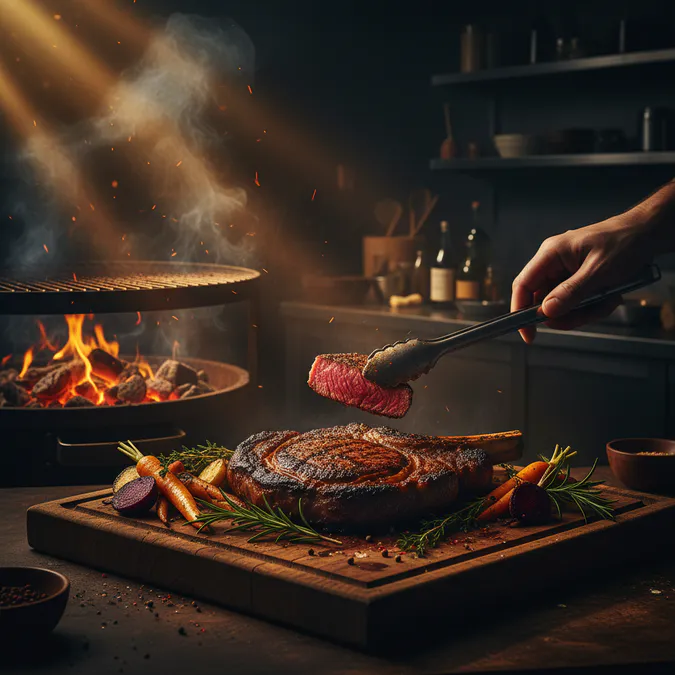
Contrary to years of health-focused messaging promoting plant-based alternatives, red meat is making a notable comeback in 2026. This resurgence reflects changing consumer attitudes toward protein sources and a growing skepticism of some health claims surrounding meat consumption.
Several factors are driving this trend. First, consumers are increasingly questioning the nutritional claims made about plant-based alternatives, many of which are heavily processed and contain high levels of sodium and additives. Red meat, by contrast, offers complete proteins, essential vitamins like B12 and iron, and other micronutrients that are difficult to obtain from plant sources alone.
Second, there's a growing appreciation for traditional, heritage breeds and grass-fed beef. Consumers willing to pay premium prices are seeking out beef from animals raised in sustainable, humane conditions. This shift reflects broader concerns about food quality, animal welfare, and environmental impact—concerns that sometimes favor well-managed red meat production over industrial plant-based alternatives.
Third, the cultural pendulum is swinging back toward meat-centric dining experiences. After years of vegetarian and vegan options dominating trendy restaurant menus, steakhouses and meat-focused establishments are experiencing renewed interest. Chefs are experimenting with traditional cooking methods, nose-to-tail eating, and innovative preparations that celebrate beef, lamb, and pork.
Colorful Beverages and Visual Appeal
The mention of "blue drinks" in emerging food trends points to a broader emphasis on visually striking beverages. In 2026, drinks are becoming increasingly Instagram-worthy, with vibrant colors, interesting textures, and creative presentations taking center stage.
Blue-colored beverages, whether naturally derived from butterfly pea flower or created through food coloring, represent the intersection of aesthetics and functionality. These drinks often incorporate functional ingredients like adaptogens, probiotics, or antioxidants, combining visual appeal with health benefits.
The trend extends beyond blue drinks to encompass the entire spectrum of colorful beverages. Ombré effects, layered drinks, and visually complex presentations are becoming standard in trendy cafes and bars. This emphasis on visual appeal reflects the influence of social media on food culture—drinks that photograph well are more likely to be shared, creating organic marketing opportunities for establishments.
Cabbage: The Unexpected Star Ingredient
Among the more surprising food trends for 2026 is the elevation of cabbage from humble side dish to star ingredient. This cruciferous vegetable is experiencing a renaissance, driven by several converging factors.
First, cabbage is incredibly versatile. It can be fermented into sauerkraut or kimchi, roasted until crispy, shredded into slaws, braised until tender, or used as a low-carb wrap alternative. This versatility makes it appealing to chefs looking to create diverse menus without expanding their ingredient lists significantly.
Second, cabbage offers exceptional nutritional value. Rich in vitamin C, fiber, and compounds with potential anti-inflammatory properties, cabbage aligns with health-conscious consumer preferences. It's also affordable and widely available, making it accessible to restaurants and home cooks alike.
Third, the global popularity of fermented foods continues to drive interest in cabbage-based products. Fermented cabbage products are associated with gut health, probiotics, and digestive wellness—concerns that resonate strongly with 2026 consumers.
Finally, cabbage fits perfectly into the sustainability narrative. It's a hardy crop that stores well, requires minimal processing, and can be sourced locally in most regions. For restaurants and food brands committed to sustainability, cabbage represents an ideal ingredient.
Personalization Beyond the Plate
The food trends of 2026 extend beyond what's served to how it's served and marketed. Personalization is becoming a competitive advantage across the entire food industry.
Restaurants are investing in technology that allows them to customize orders at scale. From build-your-own bowl concepts to AI-powered menu recommendations based on dietary preferences and past orders, personalization is becoming increasingly sophisticated.
Food delivery services are using data analytics to suggest meals tailored to individual tastes and nutritional goals. Meal kit companies are offering unprecedented flexibility in customizing weekly deliveries. Even large food manufacturers are developing smaller package sizes and flavor variations to cater to individual preferences rather than family-sized portions.
This shift toward personalization reflects broader economic and social trends. As consumers feel less control over many aspects of their lives, food choices become an arena where they can exercise agency and express their identity. Eating becomes a form of self-care and self-expression.
Sustainability Meets Indulgence
Another notable food trend for 2026 is the reconciliation of sustainability concerns with indulgent eating. Rather than viewing these as opposing forces, consumers and chefs are finding ways to enjoy premium, indulgent foods while maintaining environmental and ethical standards.
This might mean choosing a smaller portion of high-quality red meat rather than a larger serving of industrial beef. It might involve seeking out restaurants that source ingredients locally and seasonally, even if prices are higher. It might mean enjoying decadent desserts made with sustainable ingredients and ethical labor practices.
This trend reflects a maturation of the sustainability movement. Rather than demanding that consumers choose between pleasure and principles, the food industry is developing solutions that satisfy both.
What This Means for Food Industry Professionals
These emerging food trends have significant implications for restaurants, food manufacturers, and culinary professionals. Success in 2026 will require understanding and adapting to these shifting preferences.
Restaurants should consider expanding their red meat offerings and investing in high-quality sourcing. They should develop menu items specifically designed for solo diners, recognizing this as a growing market segment. Visual appeal should be prioritized in beverage development, and versatile ingredients like cabbage should be incorporated into diverse menu applications.
Food manufacturers should explore opportunities in personalized, single-serve products. They should invest in understanding consumer preferences around meat consumption and develop products that reflect changing attitudes. Functional beverages with visual appeal represent a significant growth opportunity.
Culinary professionals should develop expertise in traditional cooking methods, heritage ingredients, and sustainable sourcing practices. Understanding the psychology of personalization and the importance of visual presentation will be increasingly valuable.
Key Takeaways
The food trends emerging for 2026 reflect fundamental shifts in how consumers think about eating. The "me-me-me" economy is driving demand for personalized, single-serve meals that reflect individual preferences and values. Red meat is making a comeback as consumers reassess health claims and seek out quality protein sources. Visually striking beverages are becoming essential menu items in a social media-driven food culture. And humble ingredients like cabbage are being elevated to star status through creative applications and nutritional recognition.
These trends aren't isolated phenomena; they're interconnected expressions of broader consumer values around individuality, quality, sustainability, and pleasure. Food industry professionals who understand and adapt to these trends will be well-positioned for success in 2026 and beyond.
FAQ
What are the top food trends for 2026?
The top food trends for 2026 include the resurgence of red meat, personalized dining experiences, colorful beverages, and the rise of cabbage as a key ingredient.
How is personalization influencing food trends?
Personalization is influencing food trends by driving demand for customized meals that cater to individual preferences and dietary needs, enhancing the dining experience.
Why is red meat making a comeback?
Red meat is making a comeback due to changing consumer attitudes, skepticism about plant-based alternatives, and a renewed interest in high-quality, sustainably sourced meat.
What role does sustainability play in 2026 food trends?
Sustainability plays a crucial role in 2026 food trends as consumers seek indulgent foods that are also ethically sourced and environmentally friendly.