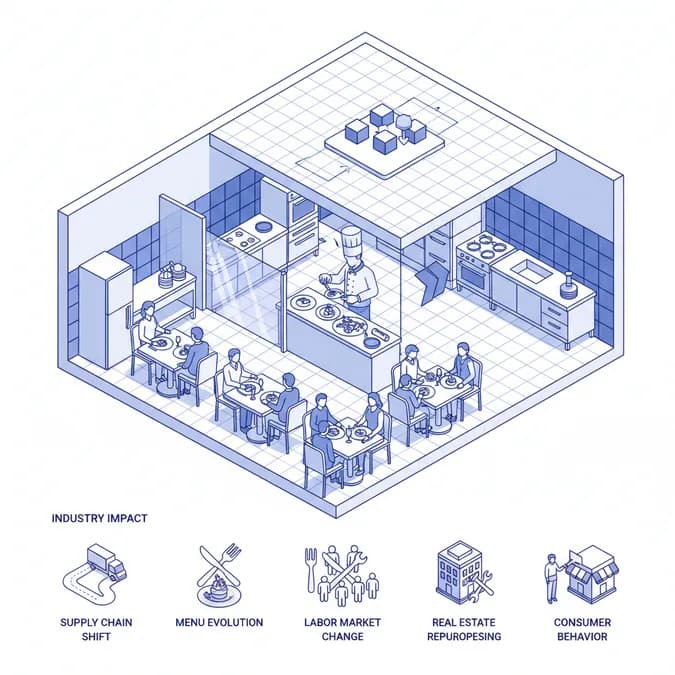
Wendy's Closures Restructuring Announcement
Wendy's closures restructuring represents one of the most significant operational shifts in the fast-food chain's history. The company is undergoing a major restructuring that includes the closure of hundreds of its US restaurants. This strategic decision reflects Wendy's commitment to improving profitability and operational efficiency across its entire portfolio. The announcement positi

The Wendy's closures restructuring initiative represents a pivotal moment for the chain, which has long been a staple of American quick-service dining. By consolidating its physical presence through strategic closures, Wendy's aims to focus resources on high-performing locations while divesting from underperforming markets that drain operational resources and limit growth potential. This restructuring strategy allows the company to reallocate capital toward innovation and customer experience improvements at remaining locations.
What's Driving Wendy's Closures Restructuring
Multiple interconnected pressures are forcing Wendy's and other fast-food chains to reevaluate their store networks through comprehensive restructuring initiatives:
Changing Consumer Preferences and Dining Habits
Shifts toward delivery, takeout, and alternative dining options have fundamentally altered traffic patterns at traditional fast-food locations. Consumer preferences have evolved significantly, with many customers now prioritizing convenience through digital ordering and delivery services rather than visiting physical locations. This shift in consumer behavior directly impacts foot traffic and sales at brick-and-mortar Wendy's restaurants, making the Wendy's closures restructuring a necessary response to these market realities.
Labor Cost Increases and Market Pressures
Rising minimum wages and labor market tightness have increased operational expenses significantly across the fast-food industry. According to the U.S. Bureau of Labor Statistics, the leisure and hospitality sector has experienced substantial wage growth in recent years, with some regions seeing minimum wage increases of 20-30% over the past five years. These labor cost pressures directly impact profitability at individual locations, making the Wendy's closures restructuring essential for maintaining overall company financial health.
Competitive Pressure from Multiple Fronts
Competition from both traditional competitors and emerging food delivery platforms continues intensifying. Third-party delivery services like DoorDash, Uber Eats, and Grubhub have created new competitive dynamics that challenge traditional fast-food business models. The Wendy's closures restructuring reflects the company's strategic response to this competitive landscape, focusing resources on locations with the strongest competitive positioning.
Post-Pandemic Adjustments and Consumer Behavior Changes
Consumer behavior patterns have fundamentally changed since the pandemic, requiring chains to reassess their physical footprints. Remote work trends, changed commuting patterns, and shifts in dining preferences have made some previously profitable locations less viable. The Wendy's closures restructuring accounts for these permanent changes in consumer behavior and mobility patterns.
Economic Uncertainties and Inflation Impact
Inflation and economic pressures have impacted both consumer spending and operational costs. The Federal Reserve's efforts to combat inflation through interest rate increases have created economic headwinds for the fast-food industry. Rising food costs, energy expenses, and supply chain challenges have all contributed to the need for the Wendy's closures restructuring initiative.
Consumer Impact of Wendy's Closures Restructuring
For consumers, the Wendy's closures restructuring presents both challenges and potential benefits that vary by region and market. In the short term, customers in affected markets may experience reduced convenience and accessibility to Wendy's locations. However, the restructuring could ultimately lead to improved service quality and operational efficiency at remaining restaurants.
The consolidation allows Wendy's to concentrate resources on maintaining high-quality operations at profitable locations rather than spreading resources thin across underperforming sites. This strategic focus may result in better customer experiences at surviving locations, including faster service times, fresher food quality, and improved restaurant conditions. Customers at remaining Wendy's restaurants may benefit from enhanced technology investments, improved menu offerings, and better-trained staff as the company redirects resources from closed locations.
In markets where Wendy's locations are closing, consumers will need to seek alternative fast-food options. However, this competitive pressure may drive other chains to improve their offerings and service quality to capture displaced Wendy's customers. The Wendy's closures restructuring ultimately reflects market forces that benefit consumers through increased competition and service improvements.
Broader Industry Trends in Fast Food Restructuring
Wendy's closures restructuring reflects a larger industry shift toward quality over quantity. Major fast-food operators are increasingly prioritizing profitable locations over maintaining expansive networks that may not align with current consumer demand patterns. This represents a fundamental change in fast-food industry strategy, moving away from the growth-at-all-costs mentality that dominated previous decades.
The rise of ghost kitchens, delivery-focused concepts, and alternative dining options has fundamentally changed how traditional fast-food chains must operate. Companies are redirecting capital toward innovation, menu development, and technology improvements that enhance the customer experience rather than simply maintaining legacy store networks. The Wendy's closures restructuring exemplifies this broader industry transformation.
Other major fast-food chains have implemented similar restructuring strategies. McDonald's has been selective about franchise locations, Burger King has reduced its store count in certain markets, and Subway has closed thousands of locations over the past decade. These industry-wide trends demonstrate that the Wendy's closures restructuring is part of a larger strategic shift across the entire fast-food sector.
Financial and Operational Implications
The Wendy's closures restructuring carries significant financial implications for the company and its stakeholders. In the short term, closure costs including severance, lease terminations, and asset write-downs will impact quarterly earnings. However, the long-term financial benefits should include improved profitability through reduced operational expenses and better capital allocation.
Operationally, the Wendy's closures restructuring allows the company to streamline supply chain operations, reduce management overhead, and improve inventory efficiency. Fewer locations mean simplified logistics networks and reduced complexity in restaurant management. These operational improvements can lead to better margins and more efficient use of corporate resources.
For franchisees, the Wendy's closures restructuring presents mixed implications. While some franchisees will face the difficult decision to close underperforming locations, those operating profitable restaurants benefit from reduced competition within their markets and improved support from a more focused corporate structure. The restructuring ultimately strengthens the franchise system by removing marginal operators and locations.
Regional Impact Analysis
The Wendy's closures restructuring will have varying impacts across different regions of the United States. Urban markets with high real estate costs and changing consumer preferences may see more significant closures. Suburban and rural markets with strong Wendy's brand loyalty may experience fewer closures as these locations maintain stronger profitability.
Regions experiencing significant population decline or economic challenges will likely see more Wendy's closures as part of the restructuring. Conversely, growing metropolitan areas and regions with strong economic fundamentals may see Wendy's maintaining or even expanding its presence. The Wendy's closures restructuring reflects regional economic realities and demographic trends.
State-level minimum wage variations also influence the Wendy's closures restructuring strategy. States with higher minimum wages may see more closures as labor cost pressures are more acute. States with lower labor costs may see Wendy's maintaining more locations as profitability thresholds are easier to achieve.
The Path Forward
Looking ahead, Wendy's and similar chains will likely continue evaluating their store portfolios based on profitability metrics, market saturation, and alignment with evolving consumer preferences. The fast-food industry's future may feature fewer but more strategically located and operationally efficient restaurants. This represents a fundamental shift from the expansion-focused strategies of previous decades.
The Wendy's closures restructuring positions the company for long-term sustainability by creating a leaner, more efficient operating model. Future growth will likely focus on digital channels, delivery partnerships, and technology-enabled customer experiences rather than traditional store expansion. The company's success will depend on executing this transition while maintaining brand strength and customer loyalty.
Innovation will be critical to Wendy's success following the closures restructuring. The company must invest in menu innovation, technology platforms, and customer experience enhancements that differentiate it from competitors. Digital ordering, mobile app functionality, and delivery integration will become increasingly important competitive factors.
Key Takeaways
- Wendy's closures restructuring involves closing hundreds of US locations to improve profitability and operational efficiency
- The Wendy's closures restructuring responds to changing consumer preferences, rising labor costs, and increased competition
- The restructuring will reduce convenience for some consumers but may improve service quality at remaining locations
- The Wendy's closures restructuring reflects broader industry trends toward quality over quantity in fast food
- The company's future strategy will emphasize digital channels and technology over traditional store expansion
- Regional economic factors and labor costs significantly influence which locations close in the restructuring
- Long-term success requires innovation and adaptation to evolving consumer preferences
Frequently Asked Questions
How many Wendy's locations are closing in the restructuring?
The Wendy's closures restructuring involves the closure of hundreds of US restaurants. The exact number varies by source and timing, but the restructuring represents a significant reduction in Wendy's overall store count. The company has been strategic in identifying underperforming locations that drain resources without contributing meaningfully to overall profitability.
Which regions are most affected by Wendy's closures restructuring?
The Wendy's closures restructuring disproportionately affects regions with high real estate costs, strong competition, and changing consumer preferences. Urban markets and regions experiencing population decline see more closures. Suburban and rural areas with strong Wendy's brand loyalty typically see fewer closures as part of the restructuring.
Will Wendy's open new locations after the closures restructuring?
While the Wendy's closures restructuring focuses on consolidation, the company may selectively open new locations in high-growth markets that align with its strategic priorities. However, the overall store count will likely remain lower than pre-restructuring levels. Future expansion will be more selective and data-driven than historical growth patterns.
How does the Wendy's closures restructuring compare to competitors?
The Wendy's closures restructuring is part of a broader industry trend. McDonald's, Burger King, and Subway have all implemented similar restructuring strategies. However, the specific number of closures and timeline vary by company based on their individual market positions and financial situations.
What does the Wendy's closures restructuring mean for franchisees?
The Wendy's closures restructuring affects franchisees differently depending on their location and profitability. Franchisees operating profitable locations benefit from reduced competition and improved corporate support. Those operating marginal locations may face difficult decisions about closure or significant operational improvements.
Will the Wendy's closures restructuring affect menu offerings?
The Wendy's closures restructuring itself doesn't directly change menu offerings, but it enables the company to invest more resources in menu innovation at remaining locations. The company may test new menu items and concepts at select locations as part of its post-restructuring strategy.
How long will the Wendy's closures restructuring take?
The Wendy's closures restructuring will occur over multiple quarters as the company works through lease terminations, franchisee negotiations, and operational transitions. The complete restructuring process typically takes 12-24 months depending on lease terms and local market conditions.