Ultimate Guide to Maha Shivratri Foods: 10 Essential Offerings
Content Team
Discover the ultimate guide to Maha Shivratri foods, their significance, and cultural importance during this auspicious festival.
Ultimate Guide to Maha Shivratri Foods: 10 Essential Offerings
Maha Shivratri, meaning "the Great Night of Shiva," is an important festival celebrated annually in honor of Lord Shiva, one of the principal deities in Hinduism. This festival symbolizes the triumph over darkness and ignorance in life and the world. Devotees engage in night-long vigils, prayers, and offerings, seeking blessings for health, prosperity, and spiritual growth. The observance of nirjala or phalahar vrat signifies a deep commitment to spiritual practices, allowing devotees to purify their minds and bodies.
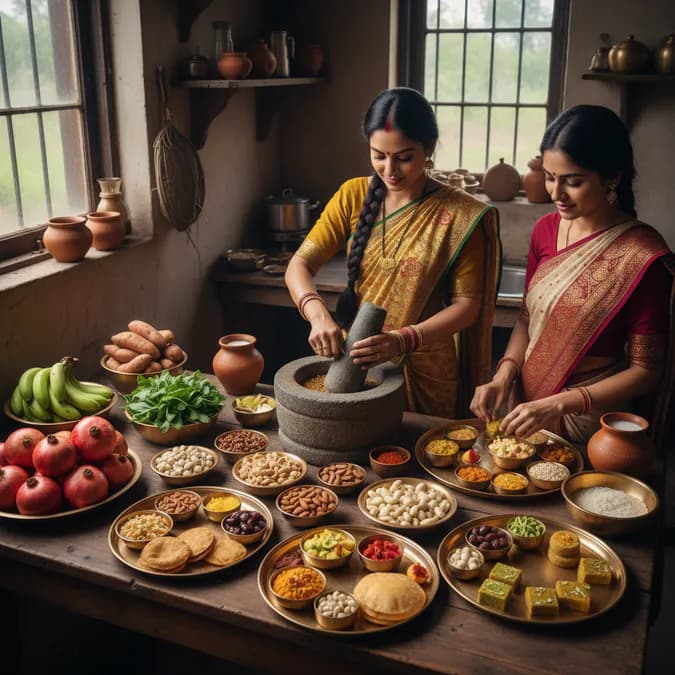
During Maha Shivratri, devotees prepare and offer various traditional foods to Lord Shiva. Here are ten significant Maha Shivratri foods:
Bel Patra (Bael Leaves): These trifoliate leaves are considered sacred and are often offered to Lord Shiva as a symbol of devotion.
Dhatura (Datura Fruit): This pla
nt is associated with Lord Shiva and is believed to have protective qualities.
Milk: Pure milk is offered as a symbol of purity and nourishment.
Honey: Representing sweetness and prosperity, honey is a common offering.
Ghee (Clarified Butter): Ghee is used in various rituals and symbolizes wealth and abundance.
Fruits: Seasonal fruits, especially bananas and coconuts, are offered to signify the bounty of nature.
Sabudana (Tapioca Pearls): Often made into khichdi or vada, sabudana is a popular fasting food.
Potatoes: Cooked in various forms, potatoes are a staple during fasting.
Paneer (Cottage Cheese): This protein-rich food is often included in meals during the festival.
Churma (Sweetened Flour): A sweet dish made from wheat flour, ghee, and jaggery, churma is a traditional offering.
Cultural Importance of Maha Shivratri Foods
The Maha Shivratri foods offered during this festival are not just culinary delights; they hold deep cultural significance. Each item is steeped in symbolism, representing various aspects of life and spirituality. For instance, the offering of bel patra is believed to please Lord Shiva and bring peace and prosperity to the devotee's home. Similarly, the use of milk and honey signifies the importance of purity and sweetness in life.
Moreover, the act of preparing these foods fosters a sense of community among families and friends, as they come together to celebrate and honor their faith. The festival serves as a reminder of the values of devotion, sacrifice, and the pursuit of spiritual enlightenment.
Key Takeaways
Maha Shivratri is a time for reflection, devotion, and celebration. The traditional foods offered during this festival not only nourish the body but also enrich the soul, making it a truly holistic experience for devotees.
Frequently Asked Questions (FAQs)
1. What are the main Maha Shivratri foods offered to Lord Shiva? The main Maha Shivratri foods include bel patra, dhatura, milk, honey, ghee, fruits, sabudana, potatoes, paneer, and churma.
2. Why is milk offered during Maha Shivratri? Milk is offered as a symbol of purity and nourishment, representing the essence of life.
3. What is the significance of fasting during Maha Shivratri? Fasting during Maha Shivratri, known as nirjala or phalahar vrat, signifies a deep commitment to spiritual practices and helps purify the mind and body.
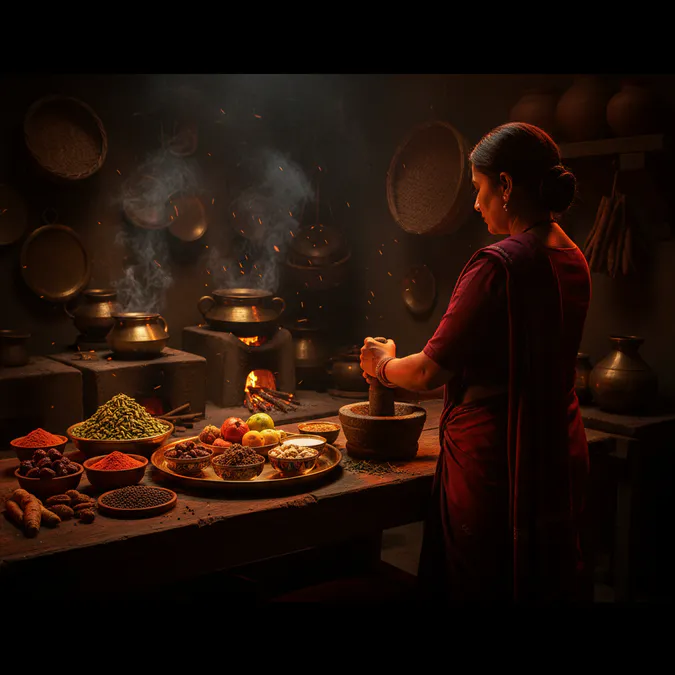
In addition to these offerings, it is important to note that the preparation of Maha Shivratri foods often includes a variety of spices and herbs that enhance their flavors and nutritional value. For example, turmeric, known for its anti-inflammatory properties, is frequently used in many dishes prepared for this festival. The use of such ingredients not only enriches the meals but also aligns with the holistic approach of Ayurveda, which emphasizes the balance of body and mind.
Furthermore, the significance of Maha Shivratri foods extends beyond mere offerings. According to a study published in the National Institutes of Health, the act of sharing food during religious festivals fosters social bonds and enhances community spirit. This aligns perfectly with the essence of Maha Shivratri, where the collective preparation and sharing of these foods strengthen familial and communal ties.
As we delve deeper into the cultural practices surrounding Maha Shivratri, it is essential to recognize the role of these foods in rituals and prayers. The offerings made to Lord Shiva are often accompanied by chants and mantras, which further enhance the spiritual atmosphere of the festival. This combination of food, prayer, and community creates a unique experience that resonates with devotees and reinforces their faith.
In conclusion, the Maha Shivratri foods not only serve as offerings but also symbolize the rich cultural heritage and spiritual significance of this festival. By understanding the importance of these foods, devotees can deepen their connection with the divine and enhance their spiritual journey during this auspicious occasion.
Explore America's favorite dishes from each state, celebrating comfort foods that reflect regional flavors and traditions. Indulge in culinary diversity!