
Jewish Food Revival in Poland
In recent years, Poland has seen a significant Jewish food revival, with traditional foods such as bagels, knishes, and bialys making a comeback. This resurgence is intertwined with Poland's broader reckoning with its historical trauma and Jewish heritage, as the country seeks to reconnect with its past. The revival of Jewish food not only highlights the importance of these culinary traditio
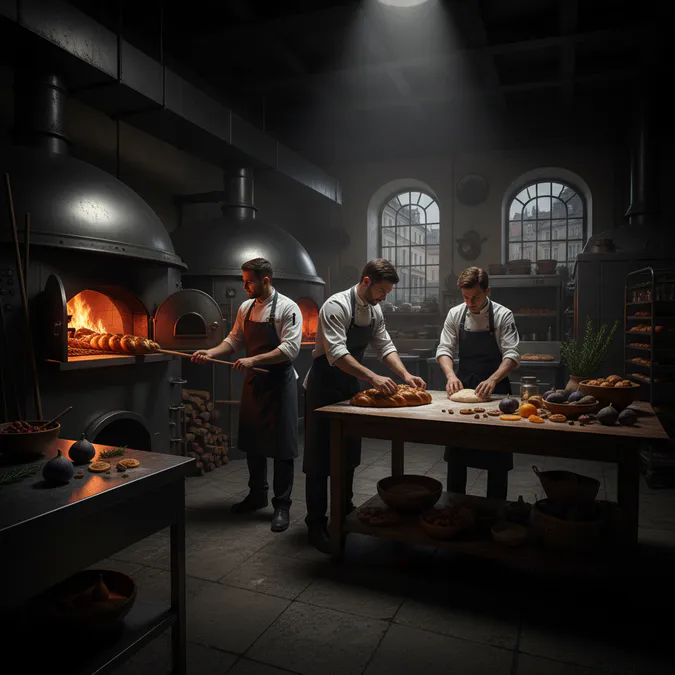
Historical Context: Jewish Culinary Traditions in Poland
Before World War II, Poland was home to the world's largest Jewish population, with approximately 3.5 million Jews, making up one in ten residents. This vibrant community was a center of Ashkenazi culture and cuisine, where traditional dishes like bagels, bialys, knishes, challah, gefilte fish, and cholent flourished. These foods blended Eastern European ingredients with Jewish kosher traditions, utilizing spices such as nutmeg and vanilla to create unique flavors.
The Holocaust decimated this community, leaving only about 10,000 Jews in Poland today. However, since the fall of communism in 1989, there has been a 'Jewish revival' driven largely by non-Jewish Poles through philosemitism, which includes festivals, klezmer music, and the establishment of museums like the POLIN Museum of the History of Polish Jews.
Current Resurgence: Bakeries and Food Establishments
Jewish bakeries and food establishments are reopening and expanding across Poland, particularly in cities like Warsaw and Kraków. These establishments are not only serving traditional Jewish foods but are also becoming cultural hubs that celebrate Jewish heritage. The TISH Jewish Food Festival, launched by the POLIN Museum in 2018, exemplifies this revival, showcasing Polish-Jewish delicacies and emphasizing food's role in cultural education.
In Kraków, the Jewish Community Center, which opened in 2008, has played a crucial role in supporting revival events and aiding refugees. The center has helped over 450,000 Ukrainian refugees in the first year of the 2022 war, extending the Jewish revival to humanitarian efforts.
Cultural Significance: Food as Historical Reckoning
The revival of Jewish food in Poland serves as a powerful cultural statement, reflecting a national reckoning with Holocaust trauma. As non-Jewish Poles embrace Jewish culinary traditions, it fosters a sense of multicultural identity that counters rising nationalist sentiments. This cultural exchange is vital for preserving the memory of Poland's Jewish past and promoting understanding among diverse communities.
As Natalia Netrak-Ruda, an author on Polish Jewish food revival, noted, "Food was too trivial a subject for such an event. But the festival’s founder, Magdalena Maślak, was convinced that it was essential." This sentiment underscores the importance of food as a medium for cultural expression and remembrance.
Traditional Foods: Bagels, Knishes, Bialys and More
Traditional Jewish foods are at the forefront of this culinary revival. Some of the most notable items include:
- Bagels: Originating from Jewish communities in Poland, bagels are now a staple in many bakeries.
- Knishes: These potato or meat-filled pastries are making a comeback, often served in Jewish-style eateries.
- Bialys: Chewy onion-topped rolls from Bialystok are being rediscovered and celebrated in modern bakeries.
- Challah: This braided bread is a traditional staple for Jewish holidays and is gaining popularity among non-Jewish Poles.
- Gefilte Fish: A classic dish often served during Passover, gefilte fish is also seeing renewed interest.
- Cholent: A Sabbath stew that combines various ingredients, cholent is a comforting dish that reflects Jewish culinary traditions.
The revival of these foods is not only about taste but also about reconnecting with a rich cultural heritage that has been largely forgotten.
Community Impact and Preservation Efforts
The resurgence of Jewish food in Poland is having a profound impact on local communities. It fosters a sense of belonging and pride among the Jewish population and encourages non-Jewish Poles to engage with Jewish culture. Events like the TISH Festival and various food pop-ups are instrumental in promoting this cultural exchange.
Moreover, organizations like the Yiddish Book Center are actively involved in preserving Jewish culinary traditions through educational programs and workshops. Chef and educator at Warsaw’s Jewish Community Center, Musidlowska, shared her experience of learning about local Jewish history, stating, "When I organized a workshop in the town of Szczebrzeszyn, I learned about Jankiel Grojser—the only Jew who lived there after the war." This highlights the importance of storytelling and education in preserving Jewish heritage.
Challenges and Future Outlook
Despite the positive momentum, the revival of Jewish food in Poland faces challenges. The small size of the current Jewish population means that many traditional practices are at risk of fading away. Additionally, the commercialization of Jewish food can sometimes lead to a dilution of its cultural significance.
However, the ongoing efforts to promote Jewish culinary traditions through festivals, community centers, and educational initiatives offer hope for the future. As Sebastian Rudol, a staff member at JCC Kraków, noted, "The Jewish community has been here for more than 1,000 years. Jews were an incredibly important part of Poland which was one of the most welcoming places for Jews." This acknowledgment of history is crucial for ensuring that Jewish culinary traditions continue to thrive in Poland.
In conclusion, the revival of Jewish food in Poland is a significant cultural phenomenon that reflects a broader reckoning with history. As traditional foods like bagels, knishes, and bialys reclaim their place in Polish society, they serve as a reminder of the rich Jewish heritage that once flourished in the country. This culinary renaissance not only honors the past but also paves the way for a more inclusive and multicultural future.
Key Takeaways
- The Jewish food revival in Poland highlights the importance of cultural remembrance.
- Traditional foods like bagels, knishes, and bialys are central to this resurgence.
- Community events and educational initiatives play a vital role in preserving Jewish culinary traditions.
- Challenges remain, but ongoing efforts foster hope for the future of Jewish cuisine in Poland.
FAQ
What is the Jewish food revival?
The Jewish food revival refers to the resurgence of traditional Jewish culinary practices and dishes in Poland, reflecting a reconnection with Jewish heritage.
Why are bagels, knishes, and bialys significant?
These foods are emblematic of Jewish culinary traditions and serve as symbols of cultural remembrance and identity.
How do community events support the Jewish food revival?
Community events like the TISH Festival promote cultural exchange and educate the public about Jewish culinary heritage.