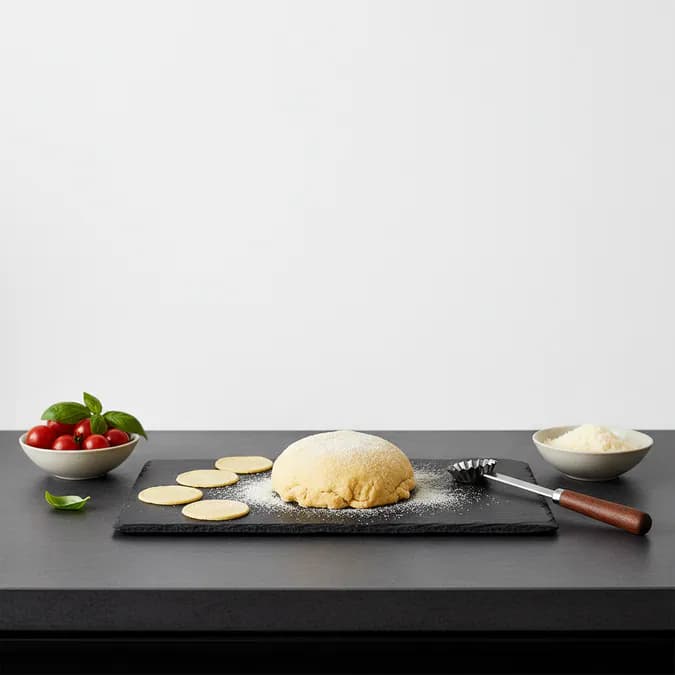
The Olympic games provide a perfect backdrop to explore the rich, intricate world of Italian pasta culture, a culinary tradition that transcends mere food and represents a profound cultural expression. Italian pasta culture embodies generations of craftsmanship and regional diversity, making it a vital aspect of Italy's national identity.
Italian Pasta Heritage
Pasta represents more than just a meal in Italy—it's a cultural cornerstone that embodies generations of culinary craftsmanship. Each region boasts unique pasta styles, reflecting local ingredients, traditions, and family histories. For example, the northern regions often favor creamy sauces and stuffed pasta, while the southern regions emphasize tomato-based sauces and dried pasta.
Traditional Pasta Making Techniques
Authentic pasta making involves precise techniques passed down through generations. Here are some essential methods that define Italian pasta culture:
- Hand-rolling fresh dough to achieve the perfect thickness
- Using minimal, high-quality ingredients to enhance flavor
- Understanding texture and consistency for various pasta types
- Respecting regional variations to honor local traditions
These techniques not only ensure the quality of the pasta but also preserve the cultural significance behind each dish.
Grassa's Signature Recipes
At Grassa restaurant, chefs demonstrate the delicate art of pasta preparation, showcasing techniques that honor traditional Italian cooking methods. Their signature recipes, such as handmade tagliatelle and rich Bolognese sauce, highlight the essence of Italian pasta culture.
Olympic Culinary Connection
The Olympics provide a global platform to celebrate cultural diversity, with food serving as a powerful ambassador of national identity. Italian cuisine, particularly pasta, exemplifies this beautiful cultural exchange. During the Olympic games, chefs from around the world showcase their culinary traditions, and pasta often takes center stage as a symbol of Italy's rich heritage.
Frequently Asked Questions (FAQs)
What is Italian pasta culture?
Italian pasta culture refers to the traditional practices, recipes, and regional variations associated with pasta making in Italy. It emphasizes the importance of quality ingredients and techniques passed down through generations.
How is pasta made traditionally in Italy?
Traditional pasta making involves hand-rolling dough, using high-quality ingredients, and respecting regional variations. Each region has its unique pasta shapes and sauces.
Why is pasta significant in Italian cuisine?
Pasta is significant in Italian cuisine as it represents cultural heritage, family traditions, and regional diversity. It is a staple food that embodies the essence of Italian culinary excellence.
Key Takeaways
- Pasta is a nuanced culinary art form that reflects cultural heritage.
- Traditional techniques matter more than complex ingredients in pasta making.
- Cooking represents cultural storytelling, especially in the context of Italian pasta culture.
Sources
- www.kgw.com
- Italian Culinary Institute for Foreigners - A comprehensive resource on Italian culinary traditions.
- Academia Barilla - Offers insights into the history and cultural significance of pasta in Italy.