
The restaurant industry is in constant flux, and staying ahead of emerging food trends is crucial for success. In 2026, several key food trends are poised to reshape the culinary landscape, particularly for restaurant groups. From the rise of new foreign influences to the increasing demand for takeout and delivery, understanding these trends is essential for adapting and thriving in a competitive market. This article explores the top food trends to watch in 2026, providing insights and actionable strategies for restaurant groups.
The Evolving American Palate
The American dining scene is continuously evolving, influenced by a variety of factors including globalization, economic shifts, and changing consumer preferences. In 2026, the US restaurant industry is projected to reach a record $1.55 trillion in sales, demonstrating the resilience of consumer demand
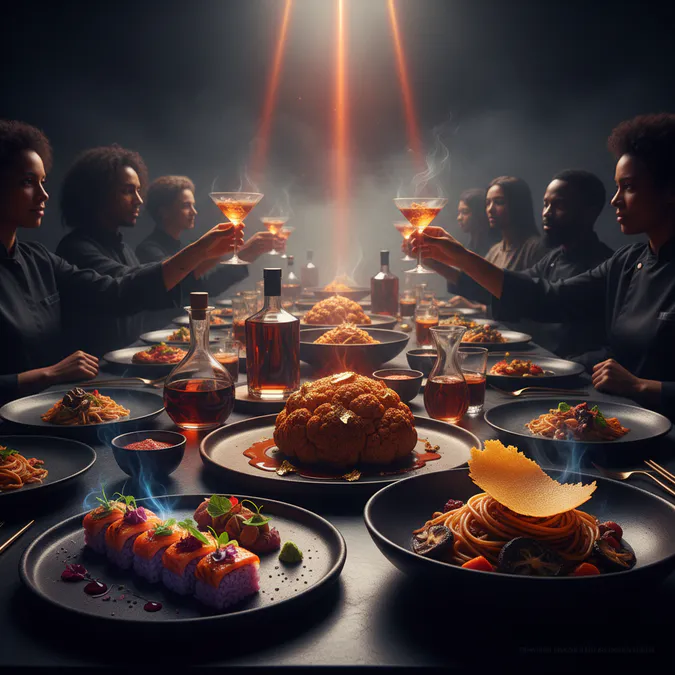 ports/state-of-the-industry/" target="_blank" rel="noopener">(Source: National Restaurant Association). However, this growth is accompanied by challenges such as persistent inflation, rising labor and food costs, and evolving dining habits. According to the National Restaurant Association, operators face a "challenging business environment" with "persistent cost pressures" affecting revenue and profitability (Source: State of the Restaurant Industry 2026). Consumers are increasingly seeking value through experiences, healthier options, and eco-friendly choices, all while navigating cost pressures.
Key Food Trends for 2026
Several key food trends are expected to dominate the food industry in 2026:
- International Cuisine: While international cuisine remains a core element of American dining, new foreign influences are on the rise (Source: Automated Pipeline). Restaurants are exploring innovative ways to incorporate global flavors into their menus.
- Takeout and Delivery: The demand for takeout and delivery continues to grow. According to a Restaurant365 survey, 36% of operators expect more takeout and delivery orders in 2026 (Source: R365 2026 Industry Survey).
- Technology Integration: Technology plays a crucial role in enhancing efficiency and customer experience. Investments in technology are essential for managing costs and improving operations (Source: National Restaurant Association).
- Value-Driven Dining: Consumers are increasingly seeking value for their money. Restaurants are adapting by offering affordable options and focusing on providing memorable experiences (Source: McKinsey Insights on US Restaurant Consumer Trends).
- Health and Sustainability: There is a growing demand for healthier and more sustainable food options. Restaurants are responding by incorporating locally sourced ingredients and offering plant-based alternatives.
- Late-Night Dining: A surge in late-night dining is being observed, catering to consumers seeking dining options outside traditional hours (Source: McKinsey Insights on US Restaurant Consumer Trends).
The Rise of New Foreign Influences
International cuisine has long been a cornerstone of the American dining experience. However, 2026 is expected to see a surge in new and diverse foreign culinary influences. This trend reflects the increasing globalization of food and the growing desire among consumers to explore new and exciting flavors. Restaurants are experimenting with ingredients, techniques, and dishes from various cultures, creating unique and innovative menu offerings. This includes:
- Fusion Cuisine: Blending elements from different culinary traditions to create innovative dishes.
- Authentic Regional Cuisine: Focusing on specific regional dishes from various countries, offering a more authentic dining experience.
- Global Street Food: Incorporating popular street food items from around the world into restaurant menus.
Impact on Restaurant Groups
The aforementioned food trends have significant implications for restaurant groups. To succeed in 2026, restaurant groups must adapt their strategies to align with these evolving consumer preferences and market dynamics. Key strategies include:
- Embracing Technology: Investing in technology to streamline operations, enhance customer experience, and manage costs. This includes online ordering systems, mobile apps, and data analytics tools.
- Optimizing Menus: Developing menus that cater to diverse tastes and dietary preferences, including international cuisines, healthier options, and plant-based alternatives.
- Enhancing the Customer Experience: Creating memorable and engaging dining experiences that go beyond just the food. This includes ambiance, service, and entertainment.
- Focusing on Value: Offering affordable options and promotions to attract value-conscious consumers. This could include prix fixe menus, happy hour specials, and loyalty programs.
- Prioritizing Sustainability: Implementing sustainable practices to reduce environmental impact and appeal to eco-conscious consumers. This includes sourcing local ingredients, reducing waste, and using eco-friendly packaging.
According to Restaurant365, "Sixty percent of respondents identified sales performance as their top priority for 2026" (Source: 2026 State of the Restaurant Industry Report). This underscores the importance of adapting to these trends to drive revenue and profitability.
Adapting to the Future of Food
The restaurant industry in 2026 is characterized by rapid change and increasing complexity. Restaurant groups that proactively adapt to emerging food trends, embrace technology, and prioritize customer experience will be best positioned for success. By understanding the evolving American palate and responding to changing consumer preferences, restaurant groups can navigate the challenges and capitalize on the opportunities that lie ahead. The National Restaurant Association projects that the industry will employ 15.8 million people in 2026, adding approximately 100,000 jobs (Source: State of the Restaurant Industry 2026), highlighting the continued importance of the restaurant sector to the US economy. Furthermore, Datassential reports nearly 859,000 active restaurants in the US, with a net monthly growth, indicating a dynamic and competitive landscape (Source: Foodservice Industry Trends 2026). Staying informed and agile is the key to thriving in this ever-evolving environment.
Key Takeaways
- Understanding food trends is essential for restaurant groups to stay competitive.
- Embracing technology and sustainability can enhance operational efficiency.
- Adapting menus to reflect diverse tastes and dietary preferences is crucial.
- Value-driven dining experiences attract consumers seeking affordability.
- Staying informed about emerging trends will help navigate the evolving landscape.
Frequently Asked Questions
What are the top food trends for 2026?
The top food trends for 2026 include international cuisine, takeout and delivery, technology integration, value-driven dining, health and sustainability, and late-night dining.
How can restaurant groups adapt to these trends?
Restaurant groups can adapt by embracing technology, optimizing menus, enhancing customer experiences, focusing on value, and prioritizing sustainability.
Why is understanding food trends important?
Understanding food trends is important for restaurant groups to meet consumer demands, stay competitive, and drive profitability in a rapidly changing market.
Sources
- Automated Pipeline
- State of the Restaurant Industry 2026
- R365 2026 Industry Survey Outlines Key Sales and Cost Trends
- 2026 State of the Industry: 10 trends redefining the restaurant landscape
- Foodservice Industry Trends 2026: 5 Data-Driven Insights
- Source: realeconomy.rsmus.com
- Source: ckitchen.com
- Source: restaurantdive.com
- Source: barandrestaurant.com