
The food and nutrition landscape is constantly evolving, and 2026 is shaping up to be a year of significant shifts. Consumers are increasingly focused on functional, purposeful eating that supports gut health, sustained energy, and overall well-being. This article explores the top food trends and nutrition trends of 2026, from the resurgence of olive oil to the rise of drinkable fiber and the continued evolution of customizable meal delivery kits.
Introduction: 2026 Food & Nutrition Landscape
The year 2026 marks a pivotal moment in the food industry, with consumers increasingly prioritizing health and wellness. The focus is shifting towards foods that not only taste good but also offer tangible health benefits. This includes a growing interest in gut health, sustained energy, and holistic well-being. Amidst the rising popularity of GLP-1 medications and a greater e
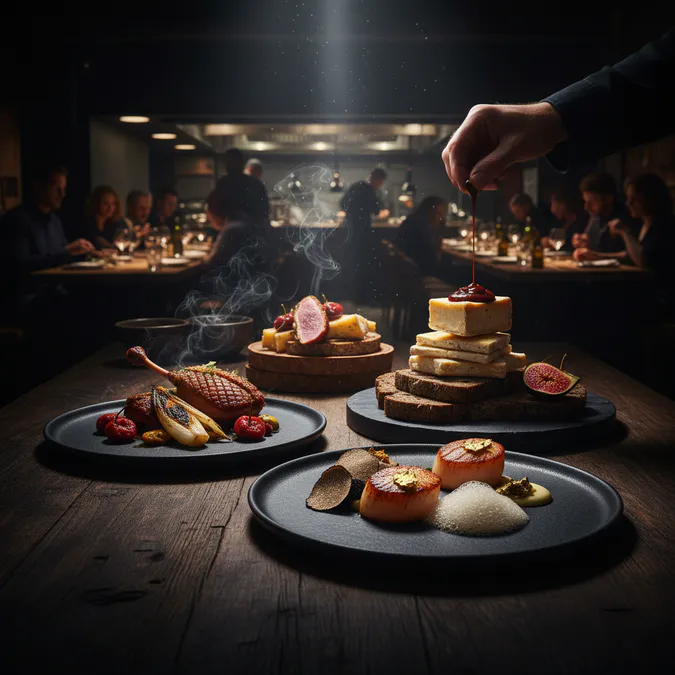
The Olive Oil Renaissance
Olive oil is experiencing a significant resurgence in 2026, driven by its perceived health benefits and clean label appeal. Consumers are increasingly seeking out high-quality olive oils for both cooking and finishing dishes. This trend is fueled by a growing awareness of the anti-inflammatory properties of olive oil and its role in supporting overall health. Companies like California Olive Ranch are at the forefront of this movement, offering a range of premium olive oils that cater to discerning consumers.
Functional Foods & Natural Energy Trends
Functional foods are becoming increasingly mainstream in 2026, with consumers seeking out products that offer natural energy-boosting properties. These foods often contain ingredients like adaptogens, magnesium, and omega-3s, which are known for their ability to support energy levels, cognitive function, and immune health. The fastest-growing areas in the food industry are functional foods and beverages, reflecting the high demand for products that provide multiple benefits. Jamie Miller, Village Dietitian, notes that “Nutrition in 2026 is less about restriction and more about supporting the body intelligently—from gut health and metabolism to mental clarity and long-term wellness.”
GLP-1 Compatible Products
The rise of GLP-1 medications has also influenced the functional food market, with companies developing products specifically designed to support individuals using these medications. These products, such as protein drinks and nutrient-dense meals, aim to help users manage hunger, preserve muscle mass, and maintain overall health. Nestlé, for example, has launched Boost Pre-Meal Hunger Support and Boost Advanced protein drinks to address these needs.
Drinkable Fiber: The New Wellness Frontier
Drinkable fiber is emerging as a key trend in 2026, driven by the widespread fiber deficiency among adults. According to Healthy Family Connecticut (UConn), 90% of women and 97% of men do not meet the recommended daily fiber intake. The recommended daily fiber intake is 25 grams for women and 38 grams for men (14g per 1,000 calories). To address this gap, companies are developing innovative beverages and snacks enriched with prebiotics like chicory root. FrieslandCampina Ingredients experts state, “In 2026, fiber isn’t just fundamental, but cool. Consumers increasingly recognize the importance of gut health and fiber is the vehicle to get them there.”
Pistachios: From Snack to Staple Ingredient
Pistachios are gaining popularity as a trending ingredient and snack in 2026. These nutrient-dense nuts are high in protein and healthy fats, making them a satisfying and nutritious option for consumers. The American Pistachio Growers are actively promoting the health benefits of pistachios, further driving their demand. Pistachios are being incorporated into a variety of products, from snack mixes to baked goods, showcasing their versatility as both a snack and a culinary ingredient.
Spicy Flavor Innovations & Hot Honey Mustard
Spicy flavor innovations are trending in 2026, with consumers seeking out bold and exciting taste experiences. Hot honey mustard is a particularly popular example of this trend, combining the sweetness of honey with the heat of mustard for a unique and flavorful condiment. This trend reflects a desire for indulgent yet healthful options, as consumers look for ways to add excitement to their meals without sacrificing their health goals.
Customizable Meal Delivery Kits Evolution
Customizable meal delivery kits continue to evolve in 2026, with companies leveraging AI and personalized nutrition to cater to individual consumer needs. These kits often feature high-protein, high-fiber recipes designed to support weight management and overall health. The ability to customize meal plans based on dietary preferences, health goals, and lifestyle factors is a key driver of the continued popularity of meal delivery kits.
Consumer Behavior Shifts Driving These Trends
Several key consumer behavior shifts are driving the food and nutrition trends of 2026. These include:
- Increased focus on gut health: Consumers are increasingly aware of the importance of gut health and are actively seeking out foods and beverages that support a healthy microbiome.
- Demand for natural energy: With busy lifestyles, consumers are looking for natural and sustainable ways to boost their energy levels without relying on artificial stimulants.
- Personalized nutrition: Advances in technology and data analytics are enabling consumers to access personalized nutrition recommendations tailored to their individual needs and preferences.
- Desire for convenience: Meal delivery kits and other convenient food options are appealing to consumers who are short on time but still want to eat healthy meals.
Market Outlook & Industry Implications
The food and nutrition industry is poised for continued growth in 2026, driven by the trends discussed above. Companies that can successfully adapt to these trends and offer products that meet the evolving needs of consumers will be well-positioned for success. This includes a focus on:
- Developing functional foods and beverages that offer tangible health benefits
- Incorporating ingredients like olive oil, pistachios, and fiber into a wider range of products
- Leveraging technology to personalize nutrition and meal planning
- Prioritizing clean label ingredients and sustainable sourcing practices
Key Takeaways
The top food trends and nutrition trends of 2026 reflect a growing consumer focus on health, wellness, and personalized nutrition. From the olive oil renaissance to the rise of drinkable fiber and the evolution of customizable meal delivery kits, the food industry is adapting to meet these evolving needs. By understanding these trends and catering to the demands of health-conscious consumers, companies can thrive in the dynamic food landscape of 2026. FrieslandCampina Ingredients Insights Team notes, “Protein has shifted from niche interest to everyday expectation. Consumers now want to see it paired with purposeful extras that promise well-rounded benefits.”
Frequently Asked Questions
What are the main food trends for 2026?
The main food trends for 2026 include the olive oil renaissance, drinkable fiber, functional foods, and customizable meal delivery kits.
How is consumer behavior changing in the food industry?
Consumer behavior is shifting towards a greater focus on health, wellness, and personalized nutrition, with an increasing demand for convenience and natural energy sources.
What role does gut health play in food trends?
Gut health is a significant factor driving food trends, as consumers seek out products that support a healthy microbiome and overall well-being.