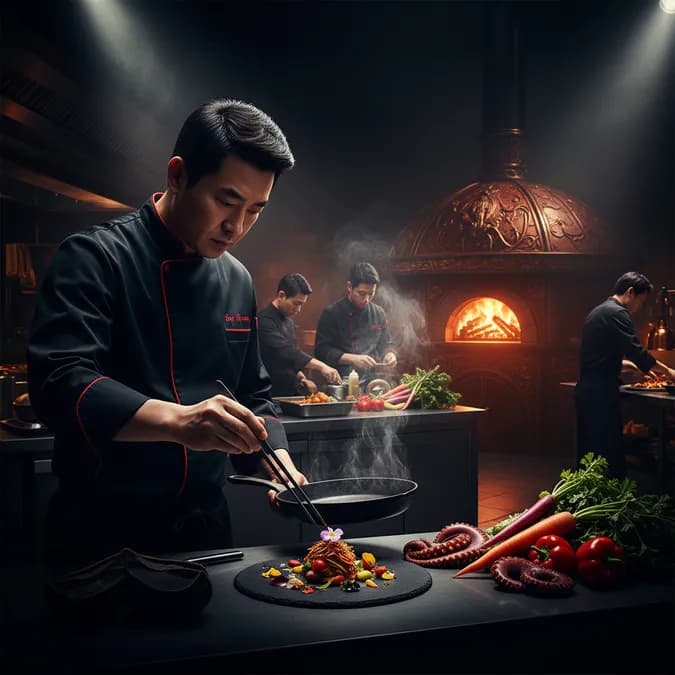
When South Korean chef Jun Lee opened his restaurant SOIGNÉ in Seoul 13 years ago, explaining what fine dining meant was part of his daily routine. Today, that conversation has fundamentally changed, thanks largely to Netflix's groundbreaking culinary competition series Culinary Class Wars South Korea.
The show has become a cultural phenomenon in South Korea, dramatically shifting how the nation perceives and engages with fine dining. What was once an exclusive, difficult-to-understand concept has become accessible and celebrated across all social classes. This transformation represents one of the most significant shifts in South Korea's culinary culture in recent decades, with measurable impacts on restaurant bookings, culinary education enrollment, and the country's international culinary reputation.
Culinary Class Wars South Korea has proven that entertainment media can drive meaningful cultural and economic change. By making fine dining accessible and exciting, the show has transformed the nation's culinary landscape in just a few years. This comprehensive guide explores how Culinary Class Wars South Korea reshaped the country's food industry, inspired a new generation of culinary professionals, and positioned South Korea as a premier destination for haute cuisine.
The Impact of Culinary Class Wars South Korea on Fine Dining Accessibility
Before Culinary Class Wars aired, fine dining in South Korea remained largely mysterious to the general public. High-end restaurants were seen as intimidating spaces reserved for the wealthy and well-connected. The Netflix series changed this perception by showcasing the artistry, passion, and skill behind fine dining in an entertaining and relatable format.
Chefs like Jun Lee
The accessibility factor extends beyond just restaurant visits. Viewers have gained a deeper understanding of cooking techniques, ingredient quality, and the dedication required to master fine dining. This educational component has created a more sophisticated dining public that appreciates the nuances of haute cuisine. Fine dining establishments report that customers now ask more informed questions about ingredient sourcing, preparation methods, and the chef's culinary philosophy.
Restaurants have responded by becoming more welcoming and educational. Many establishments now offer tasting menus with detailed explanations, cooking demonstrations, and chef's tables that allow diners to observe the culinary process. This transparency has helped bridge the gap between chefs and diners, creating a more engaged and informed dining public.
The shift in accessibility is also reflected in pricing strategies. While premium fine dining remains expensive, more restaurants have introduced affordable tasting menus and prix-fixe options, making haute cuisine experiences available to a broader audience. This democratization of fine dining represents a fundamental change in how South Korean restaurants approach their business models.
A New Generation of Culinary Professionals Inspired by Culinary Class Wars South Korea
The show's influence extends far beyond restaurant bookings. Young South Koreans have become increasingly interested in pursuing culinary careers, inspired by the competitors featured on Culinary Class Wars. Culinary schools report higher enrollment numbers, and aspiring chefs cite the Netflix series as their primary motivation for entering the profession.
This surge in interest has created a more competitive and innovative fine dining landscape. Established chefs must continually elevate their craft to stand out, while newcomers bring fresh perspectives and techniques to South Korea's culinary scene. The result is a vibrant ecosystem where culinary excellence is celebrated and rewarded.
Young chefs are also more willing to take risks and experiment with fusion concepts, blending traditional Korean cuisine with international techniques. This creative energy has revitalized the fine dining sector and attracted attention from food critics and culinary enthusiasts worldwide. The show has demonstrated that culinary careers offer both artistic fulfillment and professional recognition, encouraging talented individuals to pursue cooking as a serious career path.
Culinary schools have expanded their programs and invested in better facilities to meet increased demand. Many institutions now offer specialized training in techniques featured on Culinary Class Wars, including molecular gastronomy, advanced plating, and innovative flavor combinations. This educational evolution ensures that the next generation of South Korean chefs is equipped with cutting-edge culinary knowledge.
Mentorship opportunities have also increased, with established chefs taking on more apprentices and interns. The competitive spirit fostered by Culinary Class Wars has created a culture where experienced chefs actively invest in developing the next generation of culinary talent.
Cultural Shift in South Korean Dining Attitudes and Fine Dining Perception
Culinary Class Wars has fundamentally altered how South Koreans view food and dining experiences. The show emphasizes that fine dining isn't about pretension or exclusivity, but rather about appreciation, technique, and the chef's creative vision. This message has resonated deeply with viewers across different age groups and socioeconomic backgrounds.
The cultural shift is evident in how food is discussed in media and social platforms. Fine dining is no longer viewed as elitist but as an art form worthy of celebration and exploration. This change in perception has encouraged more people to invest in dining experiences and support local chefs. Social media platforms are filled with posts about fine dining experiences, with users sharing plated dishes and discussing culinary techniques in sophisticated detail.
Food critics and culinary journalists have noted a significant increase in public interest in fine dining coverage. Magazines, blogs, and television programs dedicated to haute cuisine have experienced growth in readership and viewership. This expanded media attention has created additional platforms for chefs to showcase their work and connect with potential diners.
The show has also influenced how restaurants market themselves. Rather than emphasizing exclusivity and prestige, many establishments now focus on storytelling, ingredient sourcing, and the chef's personal culinary journey. This narrative-driven approach makes fine dining more relatable and appealing to a broader audience.
Family dining patterns have shifted as well. Younger South Koreans are more likely to introduce their parents and relatives to fine dining experiences, creating multi-generational appreciation for haute cuisine. This intergenerational sharing of culinary experiences has accelerated the cultural normalization of fine dining across all age groups.
The Broader Economic Impact of Culinary Class Wars on South Korea's Food Industry
Beyond fine dining, Culinary Class Wars has elevated South Korea's entire food industry on the global stage. The show has sparked international interest in Korean cuisine and culinary techniques, positioning the country as a serious player in the world of haute cuisine.
Local food producers, ingredient suppliers, and hospitality professionals have all benefited from increased demand. The show has created economic opportunities throughout the food supply chain, from farm to table. Premium ingredient suppliers have seen their businesses grow as restaurants seek higher-quality products to meet the elevated expectations of their clientele.
Farmers producing specialty ingredients have experienced increased demand and higher prices for their products. This economic benefit has encouraged agricultural innovation and investment in premium ingredient production. Some farmers have begun cultivating rare or heirloom varieties specifically to supply fine dining establishments inspired by Culinary Class Wars.
Tourism has also increased significantly, with food enthusiasts traveling to South Korea specifically to dine at restaurants featured on or inspired by the show. This culinary tourism has generated substantial revenue for the hospitality sector and put South Korea on the map as a premier fine dining destination. Hotels and tourism boards have capitalized on this trend by creating culinary tourism packages that include fine dining experiences.
The show has also boosted South Korea's culinary exports. International interest in Korean ingredients, cooking techniques, and culinary products has increased, creating new export opportunities for South Korean food companies. Korean culinary schools and chefs have become sought-after consultants for restaurants worldwide looking to incorporate Korean fine dining elements.
Hospitality employment has grown in response to increased restaurant demand. New fine dining establishments have opened, creating jobs for chefs, sous chefs, servers, and kitchen staff. This employment growth has contributed to South Korea's broader economic development and provided career opportunities for thousands of culinary professionals.
International Recognition and South Korea's Culinary Standing
Culinary Class Wars has significantly enhanced South Korea's international culinary reputation. The show has been viewed by audiences worldwide, introducing global viewers to South Korean culinary excellence and innovation. This international exposure has elevated the status of South Korean chefs on the world stage.
Michelin Guide recognition has increased for South Korean restaurants, with more establishments earning stars in recent years. While causation cannot be definitively established, the timing of Culinary Class Wars' release coincides with expanded Michelin Guide coverage in South Korea and increased recognition of South Korean fine dining establishments.
International culinary competitions have seen increased participation from South Korean chefs. The confidence and visibility provided by Culinary Class Wars has encouraged more South Korean culinary professionals to compete internationally, bringing home awards and accolades that further enhance the country's culinary reputation.
Culinary tourism from international visitors has grown substantially. Food bloggers, culinary journalists, and fine dining enthusiasts from around the world now include South Korea in their culinary travel itineraries. This international culinary tourism has generated foreign exchange revenue and elevated South Korea's profile as a culinary destination.
The Role of Traditional Korean Cuisine in Modern Fine Dining
Culinary Class Wars has sparked renewed interest in traditional Korean cuisine and its potential for fine dining applications. Chefs are exploring ways to elevate classic Korean dishes through modern techniques and presentation, creating a bridge between culinary tradition and contemporary innovation.
Traditional Korean ingredients have gained prominence in fine dining contexts. Ingredients like gochugaru (Korean red chili pepper), doenjang (soybean paste), and various fermented products are now featured in sophisticated culinary creations. This elevation of traditional ingredients has created new markets and increased demand from fine dining establishments.
Korean culinary heritage is being documented and preserved through fine dining experiences. Chefs are working with food historians and cultural experts to understand the historical context and significance of traditional dishes, then reinterpreting them for contemporary fine dining audiences. This approach honors culinary tradition while embracing innovation.
Challenges and Considerations in the Post-Culinary Class Wars Era
While Culinary Class Wars has had overwhelmingly positive impacts, the rapid growth in fine dining interest has presented some challenges. The increased demand for fine dining experiences has led to longer wait times for reservations at popular restaurants, with some establishments reporting booking windows of several months.
The pressure to innovate and compete has also created challenges for some chefs. The high expectations set by the show can be difficult to meet consistently, and some restaurants have struggled with the pressure to constantly evolve their menus and techniques.
There are also concerns about sustainability and ingredient sourcing. The increased demand for premium ingredients has put pressure on local suppliers and raised questions about the environmental impact of intensive ingredient production. Responsible sourcing and sustainable practices have become increasingly important considerations for fine dining establishments.
Wage and working condition standards in fine dining kitchens have come under scrutiny. As the industry has grown and become more competitive, there have been discussions about ensuring fair compensation and safe working conditions for culinary professionals.
Frequently Asked Questions About Culinary Class Wars South Korea
What is Culinary Class Wars and why is it significant for South Korea?
Culinary Class Wars is a Netflix culinary competition series that has become a cultural phenomenon in South Korea. The show is significant because it has democratized fine dining, making haute cuisine accessible and appealing to the general public. It has fundamentally changed how South Koreans perceive and engage with fine dining, transforming it from an exclusive concept to an aspirational yet achievable experience.
How has Culinary Class Wars impacted restaurant bookings and the fine dining industry?
Restaurants have experienced increased demand following the show's release. Chefs report that viewers inspired by the series are actively seeking out fine dining experiences. This increased demand has led to longer reservation wait times, higher occupancy rates, and expanded business opportunities for fine dining establishments across South Korea.
Has Culinary Class Wars influenced culinary education in South Korea?
Yes, culinary schools have reported higher enrollment numbers since the show's release. Aspiring chefs cite Culinary Class Wars as their primary motivation for pursuing culinary careers. Schools have expanded their programs and invested in better facilities to meet increased demand and teach techniques featured on the show.
What economic benefits has Culinary Class Wars brought to South Korea?
The show has created economic opportunities throughout the food supply chain, from ingredient producers to hospitality professionals. Premium ingredient suppliers have experienced increased demand, farmers have benefited from higher prices for specialty products, and culinary tourism has generated significant revenue for the hospitality sector.
How has Culinary Class Wars affected South Korea's international culinary reputation?
The show has elevated South Korea's status as a culinary destination on the global stage. International interest in Korean cuisine and culinary techniques has increased, more South Korean chefs are competing internationally, and culinary tourism from foreign visitors has grown substantially.
What role has traditional Korean cuisine played in the Culinary Class Wars phenomenon?
Culinary Class Wars has sparked renewed interest in traditional Korean cuisine and its potential for fine dining applications. Chefs are exploring ways to elevate classic Korean dishes through modern techniques, and traditional Korean ingredients have gained prominence in fine dining contexts.
What challenges has the rapid growth in fine dining interest created?
The increased demand has led to longer reservation wait times, with some establishments reporting booking windows of several months. There are also concerns about sustainability, ingredient sourcing, and ensuring fair working conditions in fine dining kitchens as the industry expands.
Key Takeaways: The Lasting Impact of Culinary Class Wars South Korea
Culinary Class Wars South Korea has proven that entertainment media can drive meaningful cultural and economic change. The show's impact extends far beyond television ratings, fundamentally transforming how South Koreans perceive fine dining and creating opportunities throughout the food industry.
Chef Jun Lee's experience opening SOIGNÉ 13 years ago—when explaining fine dining was necessary—stands in stark contrast to today's environment, where the public actively seeks out and celebrates haute cuisine. This shift represents a genuine cultural transformation that will likely continue shaping South Korea's food culture for years to come.
The show has inspired both professionals and food enthusiasts to appreciate the artistry and dedication behind every dish. It has democratized fine dining, elevated South Korea's international culinary reputation, and created economic opportunities for thousands of culinary professionals and food industry workers.
As South Korea continues to establish itself as a premier culinary destination, the legacy of Culinary Class Wars will remain evident in the country's vibrant fine dining scene, innovative culinary professionals, and increasingly sophisticated dining public. The show has demonstrated that great entertainment can also be a powerful force for cultural and economic development.
Sources
- Surfcoast News - Culture Section
- Netflix Official - Culinary Class Wars Series Information
- South Korean Tourism Board - Culinary Tourism Data
- Korean Culinary Association - Industry Reports and Statistics