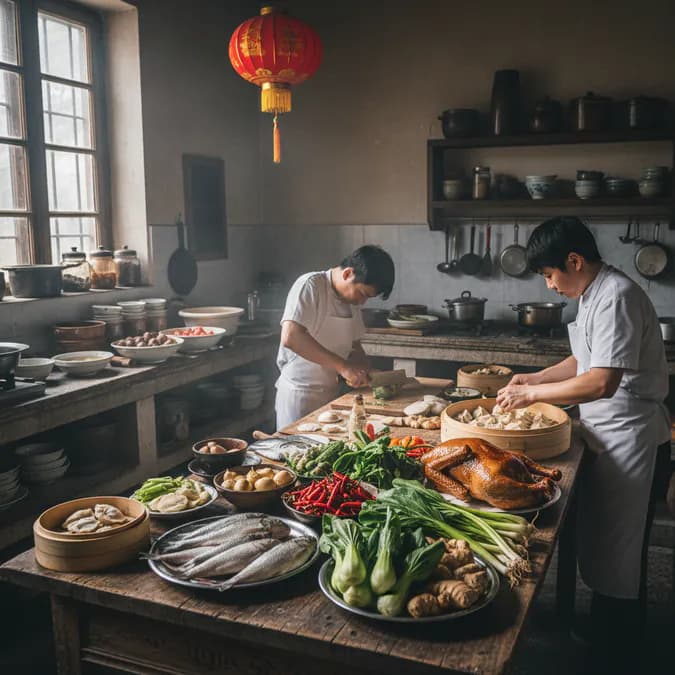
Chinese New Year cuisine transcends mere celebration—it's a profound culinary journey that connects generations and cultures through shared gastronomic experiences. This vibrant festival, also known as the Spring Festival, is marked by various culinary traditions that are deeply rooted in symbolism and familial connection. Each dish served during this celebration carries profound meaning, representing prosperity, good fortune, and familial unity.
Table of Contents
- Chinese New Year Culinary Traditions
- Traditional Symbolic Foods
- Cross-Cultural Dining Experiences
- Significance of Food in Cultural Celebrations
- New York's Multicultural Culinary Landscape
- Expert Insights
- FAQ Section
- Key Takeaways
- Sources
Chinese New Year Culinary Traditions
Chinese New Year cuisine is rich with symbolic meaning and plays a crucial role in the festivities. The food prepared during this time is not just about nourishment; it is about honoring ancestors and fostering connections among family members. Here are some traditional symbolic foods that are commonly enjoyed:
Traditional Symbolic Foods
- Dumplings: Symbolizing wealth, these are often shaped like ancient Chinese gold ingots.
- Fish: Representing abundance, it is customary to serve fish whole to signify completeness.
- Longevity Noodles: These signify long life and are often served uncut to maintain their length.
Cross-Cultural Dining Experiences
The New York banquet exemplifies how Chinese New Year cuisine serves as a powerful bridge between cultural communities. By sharing traditional recipes and dining experiences, participants create meaningful connections that transcend linguistic and geographical boundaries. This communal dining experience highlights the importance of food in fostering relationships and celebrating diversity.
Significance of Food in Cultural Celebrations
Food acts as a universal language, communicating heritage, memories, and shared experiences. During Chinese New Year, each carefully prepared dish tells a story of tradition, resilience, and community. According to a study by the National Restaurant Association, 75% of Americans believe that food plays a crucial role in cultural celebrations, emphasizing its significance in bringing people together.
New York's Multicultural Culinary Landscape
New York City emerges as a vibrant canvas where diverse culinary traditions intersect and celebrate one another. The Chinese New Year banquet represents just one example of how the city's multicultural fabric is woven through shared dining experiences. With over 600,000 Chinese residents, New York boasts a rich array of Chinese restaurants that cater to various tastes and preferences.
Expert Insights
As Chef Mei Lin, a renowned expert in Chinese cuisine, states, "Food is not just sustenance; it is a way to connect with our roots and share our culture with others. During Chinese New Year, every dish has a purpose and a story to tell." This sentiment resonates deeply with many who celebrate this festive occasion.
FAQ Section
What is the significance of Chinese New Year cuisine?
Chinese New Year cuisine is significant because it symbolizes prosperity, unity, and the honoring of ancestors. Each dish has a specific meaning and is prepared with care to convey good wishes for the year ahead.
What are some common dishes served during Chinese New Year?
Common dishes include dumplings, fish, longevity noodles, and sweet rice balls. Each dish is chosen for its symbolic meaning, contributing to the overall celebration.
How does New York celebrate Chinese New Year?
New York celebrates Chinese New Year with vibrant parades, cultural performances, and communal banquets featuring traditional Chinese New Year cuisine, showcasing the city's rich multicultural heritage.
Key Takeaways
- Chinese New Year cuisine is rich with symbolic meaning.
- Food connects communities across cultural boundaries.
- New York provides a unique platform for cultural exchange through its diverse culinary landscape.
Sources
- National Restaurant Association - Insights on the role of food in cultural celebrations.
- English News - Overview of Chinese New Year traditions.
By embracing the culinary traditions of Chinese New Year, we not only celebrate our heritage but also foster connections that enrich our communities. The flavors, stories, and shared experiences of this festive season remind us of the power of food to unite us all. As we gather around the table, we honor our past while looking forward to a prosperous future.