Understanding Food Inflation and Its Causes

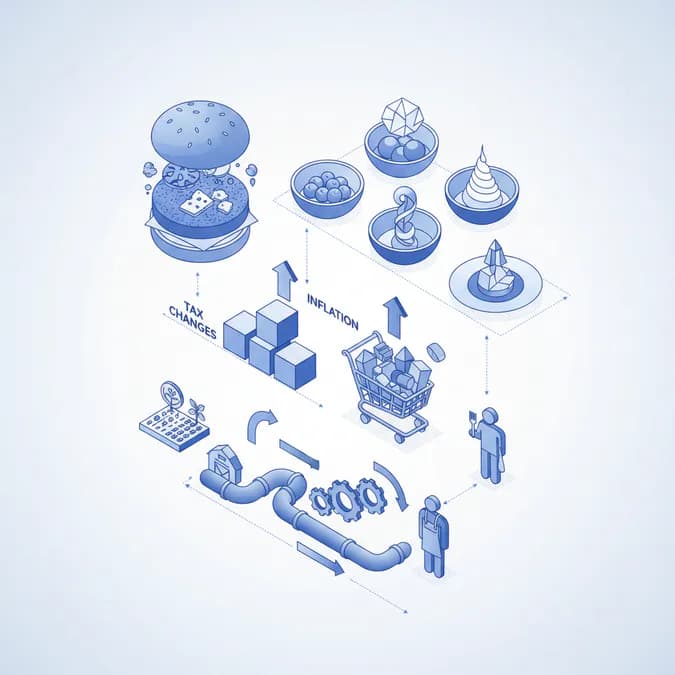
Food inflation is a pressing issue that affects consumers and the food industry alike. The anticipated rise in food inflation is largely attributed to adjustments in tax policies. These changes are designed to address budgetary shortfalls but may inadvertently lead to higher costs for consumers. Economists predict that the impact of these tax adjustments could lead to an increase in the cost of essential food items, making it more challenging for families to manage their grocery budgets.
Inflation Forecast for January
As we look ahead to January, the inflation forecast indicates a significant surge in food inflation. The tax changes, which include adjustments in sales tax and other levies, are expected to have a cascading effect on food prices. Increased sales tax on certain food items and higher production costs are likely to be passed on to consumers. According to experts, the potential for reduced supply due

- Increased sales tax on certain food items.
- Higher production costs passed on to consumers.
- Potential for reduced supply due to increased operational costs.
Consumer Reaction and Adaptation to Food Inflation
As food prices are expected to rise, consumers are likely to react by adjusting their purchasing habits. Many families may turn to budget-friendly options or seek out sales and discounts more aggressively. Some strategies consumers might adopt include:
- Shopping at discount grocery stores: Many consumers will seek out lower-priced alternatives to manage their budgets effectively.
- Buying in bulk to save on staple items: This strategy can help families save money in the long run.
- Utilizing meal planning to minimize waste and maximize savings: Effective meal planning can help families navigate rising costs.
Consumer sentiment is crucial during these times, and many are expressing concern about how these changes will affect their daily lives. Surveys indicate that a significant portion of the population is already feeling the pinch of rising costs, and this new wave of food inflation could exacerbate existing financial pressures.
Food Industry Response to Rising Food Inflation
The food industry is also preparing for the anticipated changes in food inflation. Producers and retailers may need to strategize on how to manage their pricing structures while remaining competitive. Some potential responses from the industry include:
- Adjusting product lines to focus on more affordable options: This can help retain customers who are sensitive to price changes.
- Implementing cost-cutting measures in production: Streamlining operations may help mitigate rising costs.
- Enhancing marketing efforts to highlight value and savings: Communicating value to consumers is essential during times of inflation.
As the industry navigates these challenges, collaboration between producers, retailers, and consumers will be essential to mitigate the impact of rising food prices. The upcoming inflation report from Statistics Canada will be a critical indicator of the economic landscape for food prices in Canada. As consumers brace for these changes, understanding the factors at play can help them make informed decisions about their food purchases.
Key Takeaways
- Food inflation is expected to surge in January due to tax changes.
- Consumers may need to adjust their purchasing habits to cope with rising prices.
- The food industry is preparing to adapt to the changing economic landscape.
Frequently Asked Questions about Food Inflation
What causes food inflation?
Food inflation can be caused by various factors, including tax changes, production costs, and supply chain disruptions. According to the U.S. Department of Agriculture, fluctuations in supply and demand, along with external economic factors, can also play a significant role.
How can consumers cope with rising food prices?
Consumers can cope by shopping at discount stores, buying in bulk, and planning meals to minimize waste. Experts suggest that being proactive in budgeting and seeking out sales can help mitigate the impact of rising food costs.
What impact do tax changes have on food prices?
Tax changes can lead to increased costs for producers, which are often passed on to consumers, contributing to food inflation. According to a report by the Canadian Institute for Climate Choices, these tax adjustments can significantly affect the overall cost of living.
Sources
As we navigate the complexities of food inflation, staying informed and adaptable is key to managing the financial impacts on our households.